Dead Rat Smell Under the Floor - How to Get Rid of It Fast
Quick Answer: How to Remove Dead Rat Smell Quickly
To eliminate dead rat smell under your floor: (1) Ventilate the area by opening windows and using fans, (2) Place activated charcoal or baking soda near the source, (3) Use enzyme-based odor neutralizers, and (4) Run an air purifier with a HEPA filter. The smell typically lasts 2-4 weeks as the body decomposes. If unbearable, consider hiring a professional to locate and remove the carcass.
Why a Dead Rat Smells So Bad
The unmistakable stench of a dead rat is caused by the release of gases during decomposition. Understanding this process helps explain why the smell is so persistent and what you can do about it.
Decomposition Process Explained
When a rat dies, bacteria in its body immediately begin breaking down tissues. This process releases sulfur-containing compounds like hydrogen sulfide and methane, along with chemicals called putrescine and cadaverine. These compounds are detected by humans at extremely low concentrations, which is why even a small rat can produce an overwhelming smell.
The decomposition occurs in stages: fresh (0-2 days), bloat (2-6 days), active decay (6-10 days), advanced decay (10-20 days), and dry remains (20+ days). The smell is worst during the bloat and active decay stages when gas production peaks.
How Long the Smell Lasts
A dead rat smell typically persists for 2-4 weeks under normal conditions. However, several factors affect duration:
- Temperature: Warmer environments speed up decomposition (1-2 weeks), while cooler areas slow it down (4-8 weeks)
- Humidity: Higher moisture accelerates bacterial activity
- Size of the rat: Larger rats take longer to fully decompose
- Ventilation: Poor airflow traps odors longer
How to Confirm a Dead Rat Under the Floor
Before taking action, confirm that you are dealing with a dead rodent and try to narrow down its location.
Common Signs of a Dead Rodent
- A sudden, strong rotting smell that intensifies over several days
- The odor is localized to a specific area of your home
- Increased fly activity, especially blowflies and flesh flies
- Staining on ceilings or walls (in severe cases)
- Prior signs of rodent activity (droppings, gnaw marks, scratching sounds)
Where Rats Usually Die
Rats often die in enclosed spaces where they feel safe. Common locations include:
- Under floorboards and in crawl spaces
- Inside wall cavities near insulation
- Behind appliances or in cabinet voids
- Near water sources like pipes or HVAC systems
- In attic insulation or ductwork
If you have recently used rodent poison or bait, this significantly increases the chance of a rat dying in an inaccessible location, as poisoned rodents often retreat to hidden areas before dying.
Step-by-Step: How to Get Rid of Dead Rat Smell
Follow these steps to eliminate or minimize the odor while the rat decomposes naturally.
1Locate the Source (If Possible)
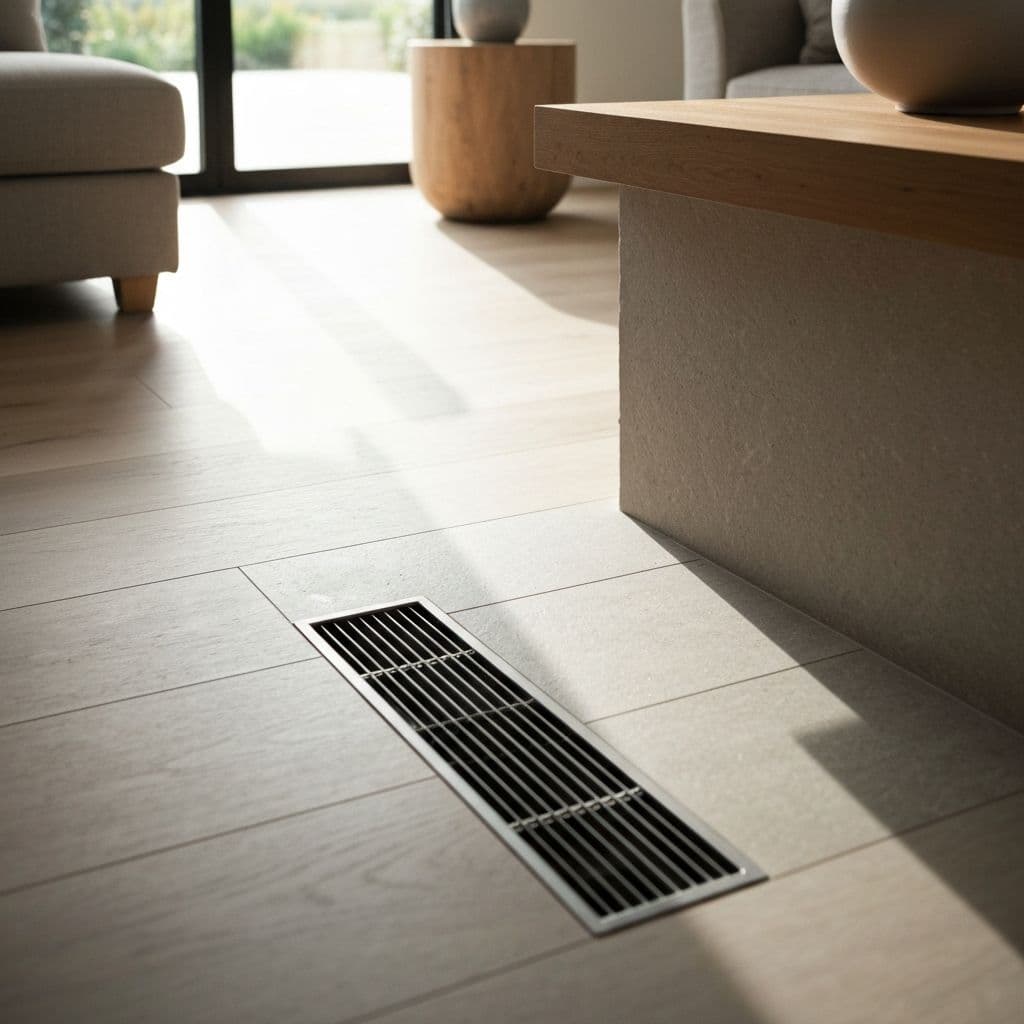
Use your nose to identify where the smell is strongest. Check near floor vents, along baseboards, and around pipes. A thermal camera or borescope can help locate carcasses without opening walls. If you can pinpoint the location and access it, removing the body will eliminate the smell immediately.
2Ventilate the Area
Open windows and use fans to create cross-ventilation. Point a box fan toward an open window to push contaminated air outside. If the smell is coming from a crawl space, run a ventilation fan to increase airflow. Good ventilation dilutes odor concentration and speeds up drying.
3Use Odor Neutralizers
Place odor-absorbing products near the source. Activated charcoal bags, baking soda, or commercial odor neutralizers work by absorbing or breaking down odor molecules rather than just masking them. Place multiple absorbers around the affected area and replace them every few days.
4Apply Disinfectants
If you can access the area near the carcass, spray enzyme-based cleaners that break down organic matter. These cleaners contain bacteria that digest the proteins causing the smell. For inaccessible areas, spray disinfectant into floor vents or gaps to reduce bacterial activity.
5Seal the Area
Once the smell has dissipated, seal any gaps or cracks where odor was escaping. Use caulk for small gaps and expanding foam for larger openings. This prevents future rodents from entering and stops residual odors from lingering.
Best Products to Remove Dead Animal Smell
Enzyme Cleaners
Enzyme-based cleaners like Nature's Miracle, Rocco & Roxie, and Bio-Enzymatic are most effective for dead animal odors. They contain beneficial bacteria that digest organic matter at the molecular level. Apply generously and allow to air dry for best results.
Odor Neutralizing Sprays
Products like OdoBan, Fresh Wave, and Earth Care Odor Remover Bags neutralize odors rather than masking them. Look for products labeled "for dead animal odor" as these are formulated for the specific compounds released during decomposition.
Charcoal and Absorbers
Activated charcoal bags are excellent for ongoing odor absorption. Place them near the source and in affected rooms. Charcoal works passively, absorbing odor molecules from the air. Replace bags every 1-2 weeks until the smell is gone. Baking soda works similarly but is less effective for strong odors.
Ozone Generators (Advanced Option)
Ozone generators produce ozone gas that oxidizes and destroys odor-causing molecules. They are highly effective but require the space to be completely vacated during treatment (including pets and plants). Run the generator for 3-6 hours, then ventilate thoroughly before re-entering. Only recommended for severe cases.
How Long Does Dead Rat Smell Last?
| Condition | Duration | Smell Intensity |
|---|---|---|
| Hot and humid (summer) | 1-2 weeks | Very strong initially, fades quickly |
| Moderate temperature | 2-4 weeks | Strong, gradual decline |
| Cool and dry (winter) | 4-8 weeks | Moderate, slow to dissipate |
| With odor treatment | 1-2 weeks | Significantly reduced |
What If You Cannot Reach the Dead Rat?
In many cases, dead rats are in locations that are impractical or impossible to access without significant structural damage. Here is what to do:
Using Odor Absorbers
Place activated charcoal bags, odor-absorbing gels, or commercial dead animal deodorizers near the suspected location. Position them near floor vents, baseboards, or any gaps where odor is escaping. This approach requires patience but avoids costly repairs.
Increasing Airflow
Maximize ventilation in the affected area. If the rat is under the floor, open any access points to crawl spaces and run fans to increase air circulation. The goal is to prevent odor buildup inside living spaces while decomposition completes naturally.
When to Open the Floor
Consider opening the floor only if: (1) You can precisely locate the carcass, (2) The smell is unbearable and affecting daily life, (3) You need to address it immediately for health reasons, or (4) You are experienced with home repairs or willing to hire a professional. Opening floors without knowing the exact location often leads to unnecessary damage.
Is Dead Rat Smell Dangerous to Health?
Bacteria and Air Quality Risks
While the smell itself is unpleasant but not directly toxic, decomposing rodents can pose health risks. Bacteria from the carcass can become airborne, and parasites like fleas and mites may seek new hosts. In rare cases, diseases like hantavirus can be transmitted through contaminated dust or droppings near the carcass.
Safety Precautions
- Wear gloves and an N95 mask when handling or approaching dead rodents
- Do not vacuum areas near suspected carcasses (this can spread contaminants)
- Keep children and pets away from affected areas
- Wash hands thoroughly after any contact with affected areas
- Consider running a HEPA air purifier in affected rooms
Natural Ways to Remove Dead Rat Odor
If you prefer natural solutions or need immediate relief while waiting for commercial products, these household items can help:
Vinegar Solutions
White vinegar is a natural deodorizer. Place bowls of vinegar near the odor source or spray a 50/50 vinegar-water solution on hard surfaces. The acidic nature of vinegar neutralizes alkaline odor compounds. The vinegar smell dissipates quickly, taking some of the dead animal odor with it.
Baking Soda
Sprinkle baking soda liberally on carpets and floors near the source. Leave for 24-48 hours, then vacuum. For ongoing odor absorption, place open boxes of baking soda around the affected area. Baking soda absorbs odors but works best for mild to moderate smells.
Coffee Grounds
Used coffee grounds can help mask and absorb odors. Place bowls of dry, used grounds near the affected area. While not as effective as commercial products, coffee grounds provide some relief and are readily available. Replace daily for best results.
When to Call a Professional
Consider hiring a pest control or wildlife removal professional if:
- The smell has persisted for more than 4 weeks without improvement
- You suspect multiple dead rodents
- The odor is affecting your health or ability to use your home
- You cannot locate the source despite thorough searching
- Opening walls or floors is necessary but beyond your DIY skills
- You have an ongoing rodent infestation that needs addressing
Professional services typically cost $150-$500 depending on the complexity of locating and removing the carcass. Many pest control companies include odor treatment and sanitization in their services.
How to Prevent This Problem in the Future
Sealing Entry Points
The best prevention is keeping rats out of your home entirely. Inspect your foundation, roofline, and utility entry points for gaps. Rats can squeeze through openings as small as a quarter. Use steel wool and caulk for small gaps, hardware cloth for vents, and expanding foam for larger openings around pipes.
Using Rat Control Methods
If you have a rodent problem, choose control methods carefully. Snap traps and electronic traps kill rats instantly and allow you to dispose of the body immediately. Avoid rodent poison if possible, as poisoned rats often retreat to hidden areas before dying, creating the exact problem described in this guide. For more information on effective pest control, see our pest trap guides and termite control resources.
FAQs About Dead Rat Smell
How long does dead rat smell last under the floor?
A dead rat smell typically lasts 2-4 weeks, depending on temperature, humidity, and ventilation. In warm, humid conditions, decomposition is faster but the smell may be more intense. In cooler, dry conditions, it can last up to 8 weeks but be less pungent.
Can dead rat smell make you sick?
While the smell itself is not directly toxic, prolonged exposure to decomposing rodents can pose health risks. Bacteria, parasites, and airborne pathogens from the carcass can cause respiratory issues, allergic reactions, and in rare cases, disease transmission.
What neutralizes dead animal smell?
Enzyme-based cleaners are most effective as they break down organic compounds causing the odor. Activated charcoal, baking soda, and commercial odor neutralizers also help. Avoid masking sprays as they only cover the smell temporarily.
Should I open the floor to remove a dead rat?
Only open the floor if the smell is unbearable and you can pinpoint the exact location. If the rat is inaccessible or you are unsure of its location, using odor absorbers and waiting for natural decomposition is often more practical than causing structural damage.
Will an ozone generator remove dead rat smell?
Yes, ozone generators can effectively eliminate dead animal odors by oxidizing odor-causing molecules. However, ozone is harmful to humans and pets, so the area must be vacated during treatment and properly ventilated afterward.
How do I prevent rats from dying under my floor?
Seal all entry points around your foundation, pipes, and vents. Use snap traps or electronic traps instead of poison, as poisoned rats often crawl into hidden areas before dying. Regular pest inspections can catch infestations early.
Final Tips to Eliminate Odor Completely
- Be patient: Most dead rat smells resolve within 2-4 weeks with proper ventilation and odor absorbers
- Combine methods: Use ventilation, odor absorbers, and enzyme cleaners together for fastest results
- Address the source: Once the smell is gone, seal entry points to prevent future rodent intrusions
- Avoid poison: Use traps instead of poison to prevent rats from dying in inaccessible locations
- Know when to call help: If the smell persists beyond 4-6 weeks or you suspect multiple carcasses, hire a professional
Related Pest Control Guides
Affiliate Disclosure: This article contains affiliate links. If you purchase through our links, we may earn a commission at no extra cost to you. This helps us continue providing expert pest control guides. Learn more.